
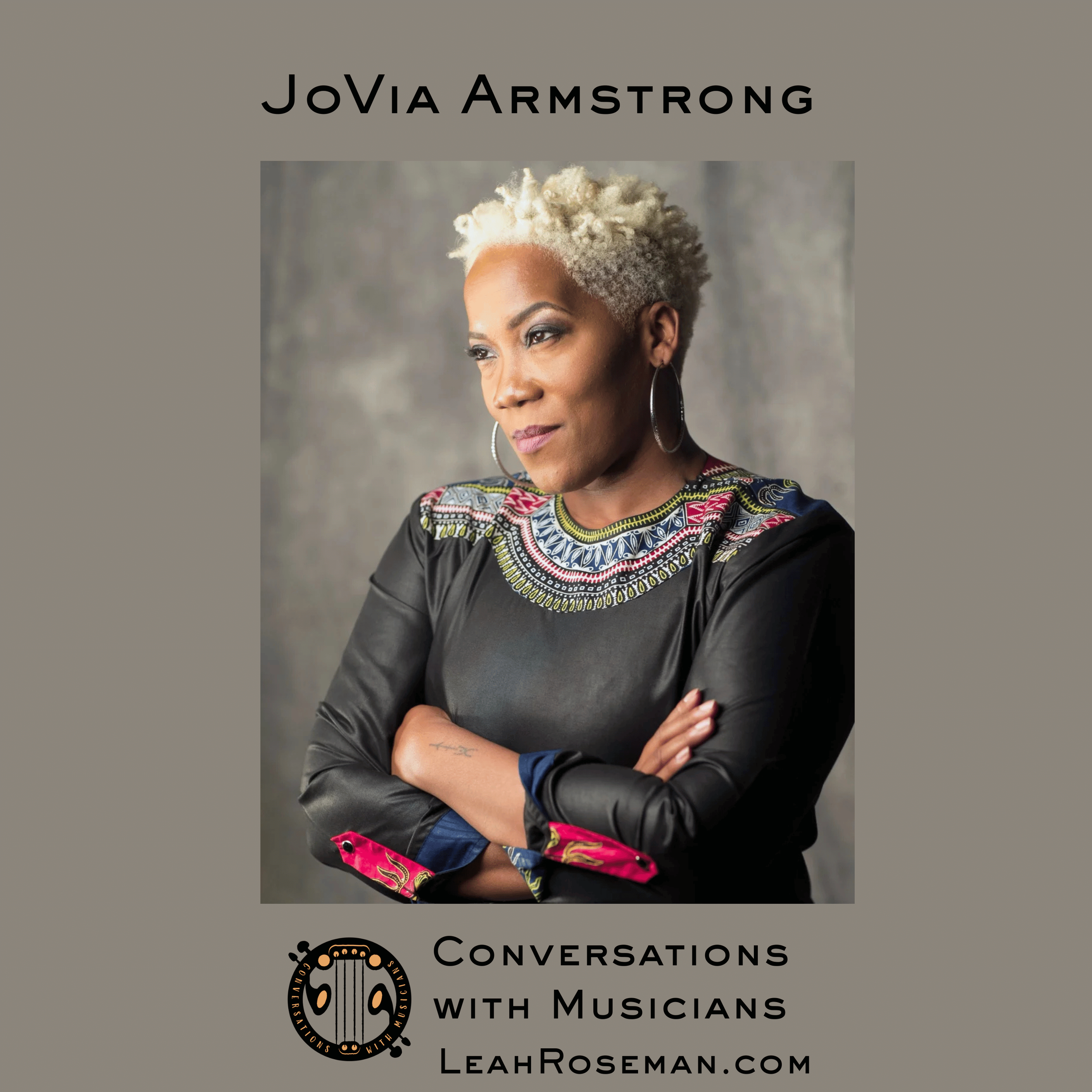
JoVia Armstrong
JoVia Armstrong is a an award-winning percussionist, composer and educator whose work blends rhythm, technology, and experimental composition. This year she was voted as one of the best percussionists in the world by DownBeat Magazine’s 74th Annual Critics Poll. She leads the electroacoustic ensemble Eunoia Society which explores sound as a healing tool and you’ll be hearing music from their first two albums, The Antidote Suite and Inception, which are linked in the show notes for you. In fact, I found out about JoVia when I interviewed Leslie De Shazor a couple of years ago for this podcast. Today you’ll learn about JoVia’s collaborators and mentors including Nicole Mitchell and Francisco Mora Catlett as well as her development as a musician with the encouragement of her family. JoVia spoke with me about the importance of mentoring youth, self-reflection and self-care. She is currently Assistant Professor of music at the University of Virginia, where she teaches in the Composition and Computer Technology Program while researching the intersection of Black contemplative music, technology and urban space.

Coleman Itzkoff
Cellist Coleman Itzkoff joins Leah Roseman to discuss his multi-disciplinary career spanning baroque music, contemporary ballet, and theatre. Discover the surprising links between his youth as a competitive skateboarder and his physical artistry on stage. He shares insights into co-founding AMOC, accessing peak creativity, and how family and mentors shaped his unique path. Podcast/Video/Transcript

Jesse Jones
Composer Jesse Jones joins Leah Roseman on Conversations with Musicians in a long-form conversations about the bluegrass-fusion group EZRA, his life as a prize-winning composer and his lutherie. He reflects on how an accident changed his life, his love for microtonality, and music featuring EZRA, Jacob Jolliff, and pianist Xak Bjerken. Listen to the podcast or watch the video.
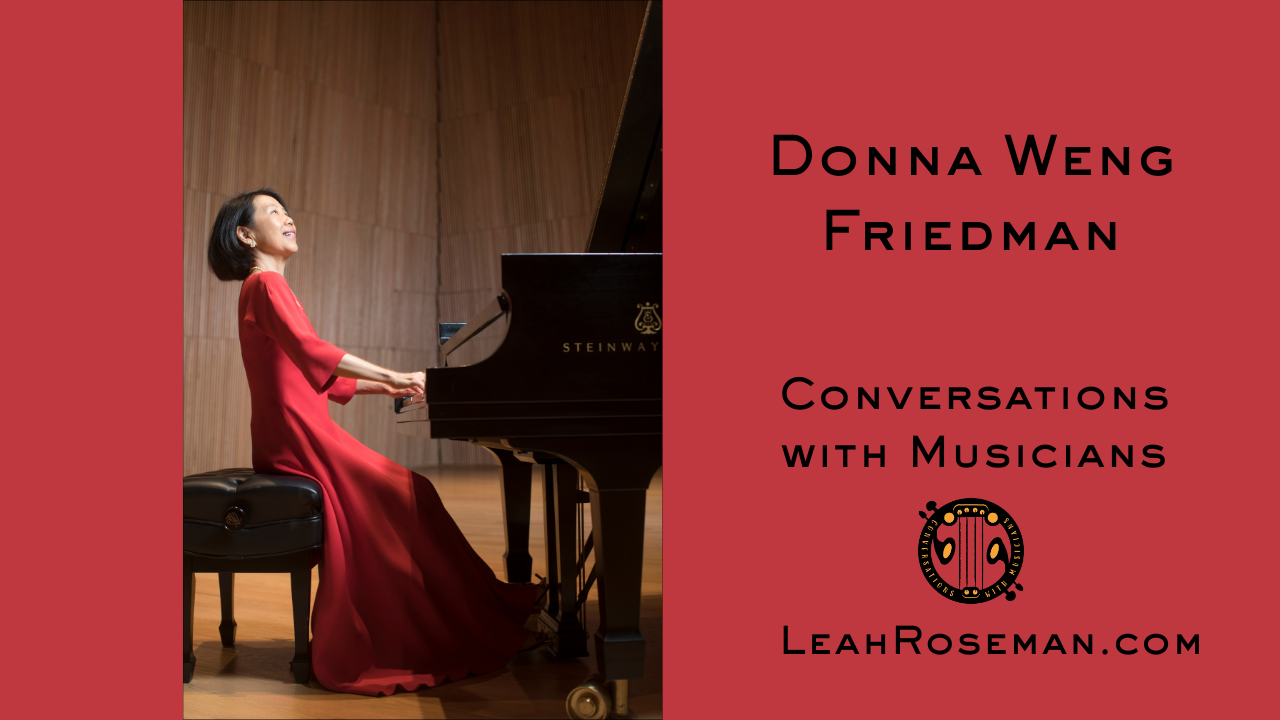
Donna Weng Friedman
The award-winning pianist Donna Weng Friedman enjoys a distinguished career as a soloist, chamber musician, educator, curator, producer, and filmmaker. She spoke to me about many of her inspiring projects, including the Joy Luck Trio, Microvids with composer Stefania de Kenessey and collaborators including violinist Curtis Stewart. You’ll hear how she got into film making and her award-winning personal film Never Fade Away about her parents, featuring Chun Wai Chan, the New York City Ballet's first Chinese principal dancer. Donna shared great advice for fellow music educators and students, how she came to be mentored by Radu Lupu, and perspectives on her career choices as a parent and many initiatives to amplify women composers and conductors.
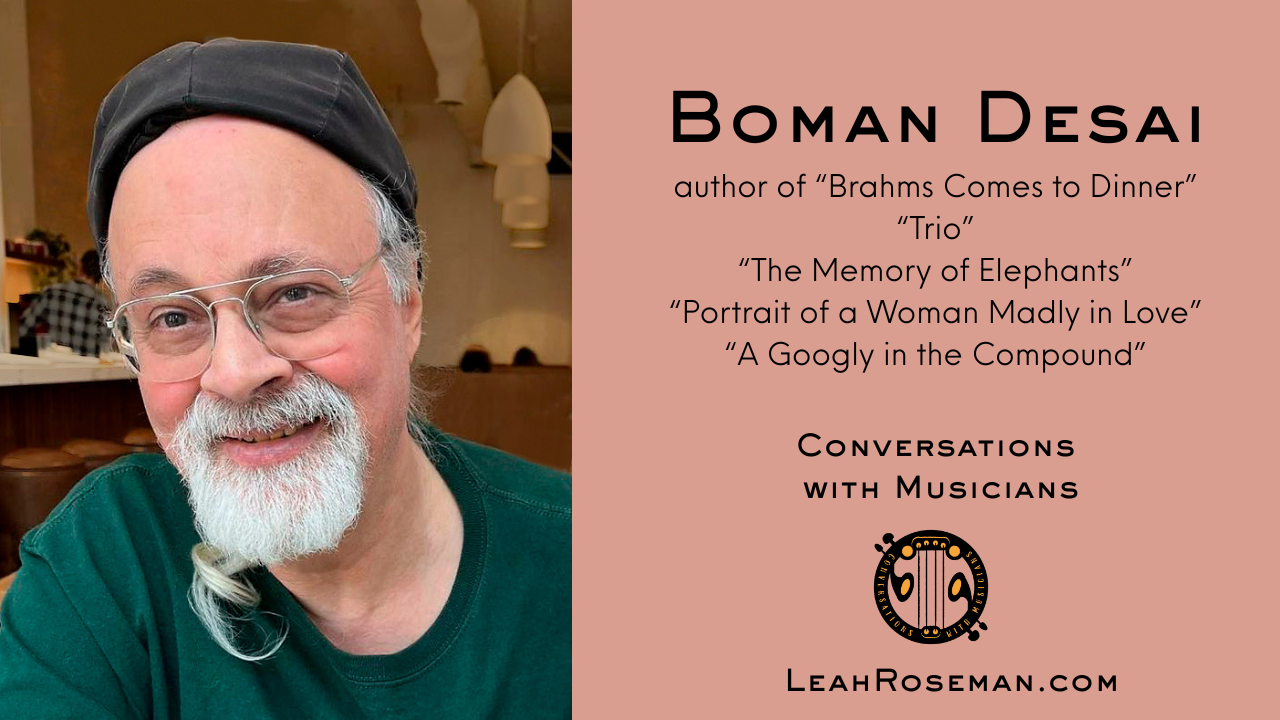
Boman Desai
I was honoured to record this interview with Boman Desai, whose wonderful recent novel “Brahms Comes to Dinner” I highly recommend. You’ll hear how this work came out of Boman’s larger novel “Trio” and he shared stories about several of his other acclaimed novels including “The Memory of Elephants”, “Portrait of a Woman Madly in Love” and his book about the Lennon-McCartney Beatles songs “Dancing About Architecture”. Some of Boman’s writing comes from his Parsi family history and the life of his grandmother, and you’ll hear about several life-changing moments including with the legendary editor and writer Diana Athill. Podcast/Video/Transcript
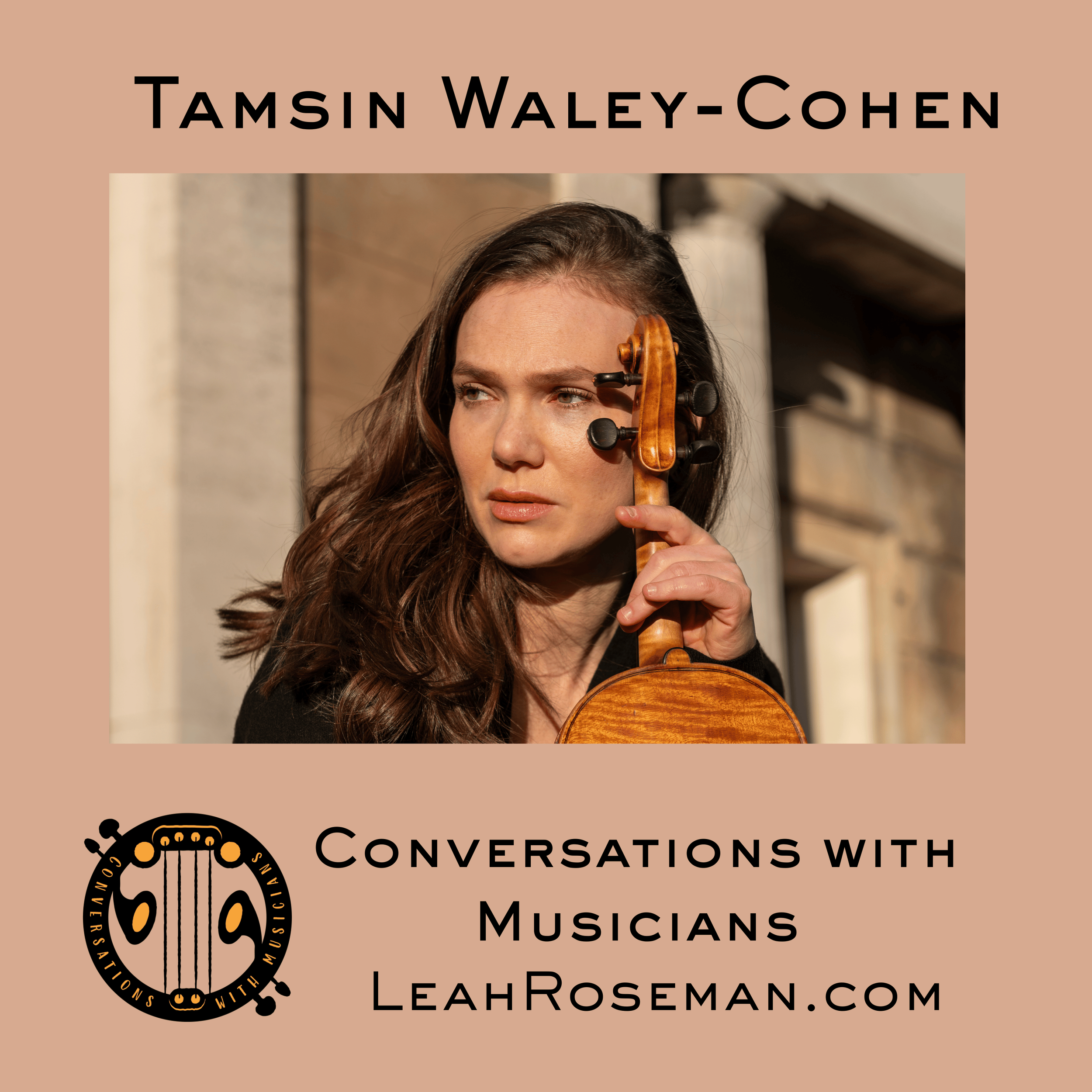
Tamsin Waley-Cohen
I have been so inspired to discover the brilliant British-American violinist Tamsin Waley-Cohen’s wonderful discography and I so enjoyed this opportunity to talk to her about her creative life. She spoke to me about the debut of her sister’s violin concerto and you’ll hear about Freya Waley-Cohen’s earlier work Permutations. Tamsin has performed and recorded extensively with the great pianist and composer Huw Watkins and you’ll also be hearing short excerpts from their album “Reflection” including two works written for Tamsin: Huw’s Violin Sonata and the late Oliver Knussen’s Reflection. She opened up about postpartum anxiety, depression,and also the creativity parenting requires, and connected to that, her upcoming album with Cordelia Williams “Dreamscapes and Lullabies”. Tamsin is Artistic Director of the Two Moors Festival in the U.K. and she shared her thoughtful curation of their upcoming October programming. We also talked about the satisfaction and intensity of touring and her wholistic approach to playing the violin. Finally, Tamsin shared some powerful musical memories with some of her great mentors.

Mary Beth Orr
Mary Beth Orr is a wonderful award-winning horn player and folk vocal artist. Throughout this moving episode you’ll be hearing short excerpts from her album “The Singing Horn” which celebrates traditional Appalachian songs with Mahler and contemporary works composed for Mary Beth through Vox Novus’ Fifteen Minutes of Fame Project. Mary Beth is currently 3rd Horn of the Grand Rapids Symphony, and she shares the best advice I’ve heard about succeeding at orchestral auditions.
Mary Beth experienced a serious accident that threatened her life and then her ability to play the horn and she shares many other difficult personal challenges. I was so moved to hear her story and wisdom and I encourage you to come back and listen to the end. You can watch the video on my YouTube or listen to the podcast, and I’ve also linked the transcript.
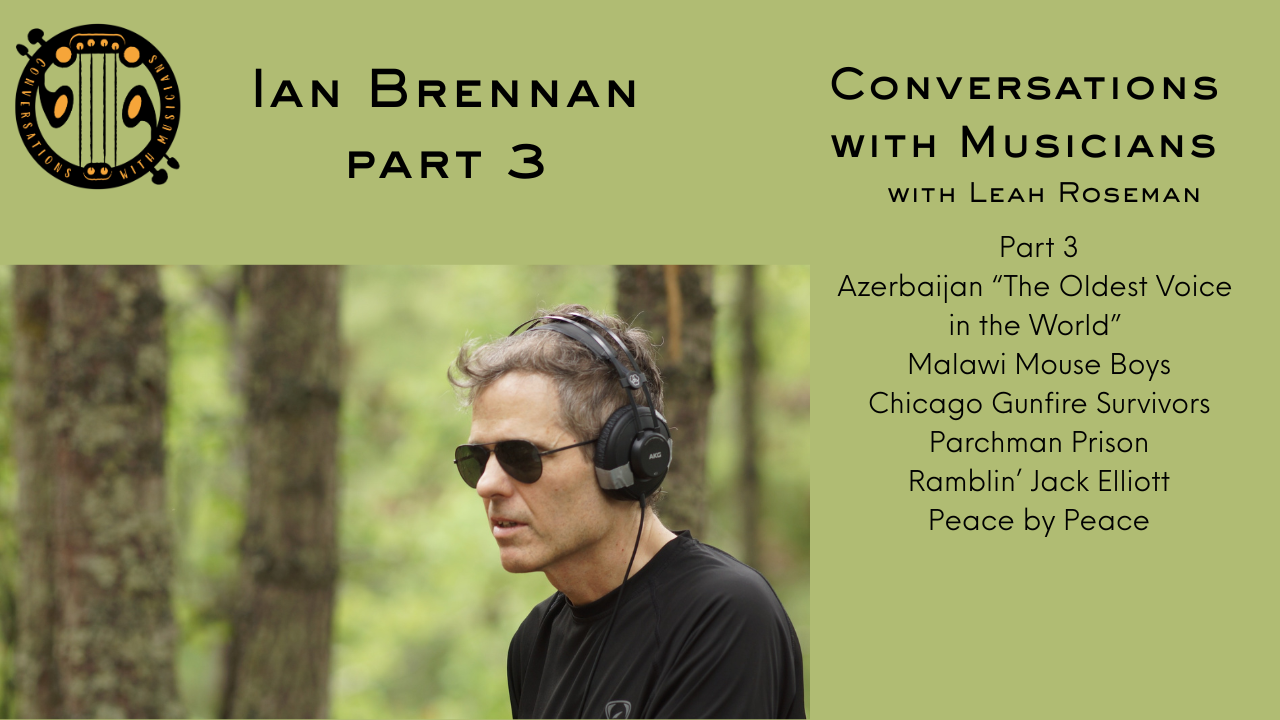
Ian Brennan Part 3
This is my third conversation with Ian Brennan in this mini ongoing series with him, within my podcast. If you missed Parts 1 and 2 they are linked .Today you’ll hear about how he recorded some of the oldest voices in the world in Azerbaijan, and some of the bonus tracks including the Kronos quartet and The Good Ones. Ian shared how he met the Malawi Mouse Boys and then brought them to international attention, and what that has meant for them. We talked about the Chicago Gunfire Survivors project, Ian’s book Peace by Peace, 99 Steps Toward Violence Prevention and De-escalation, and the powerful Parchman Prison albums. At the end I asked him about his Grammy-nominated album with Ramblin’ Jack Elliot “I Stand Alone”.
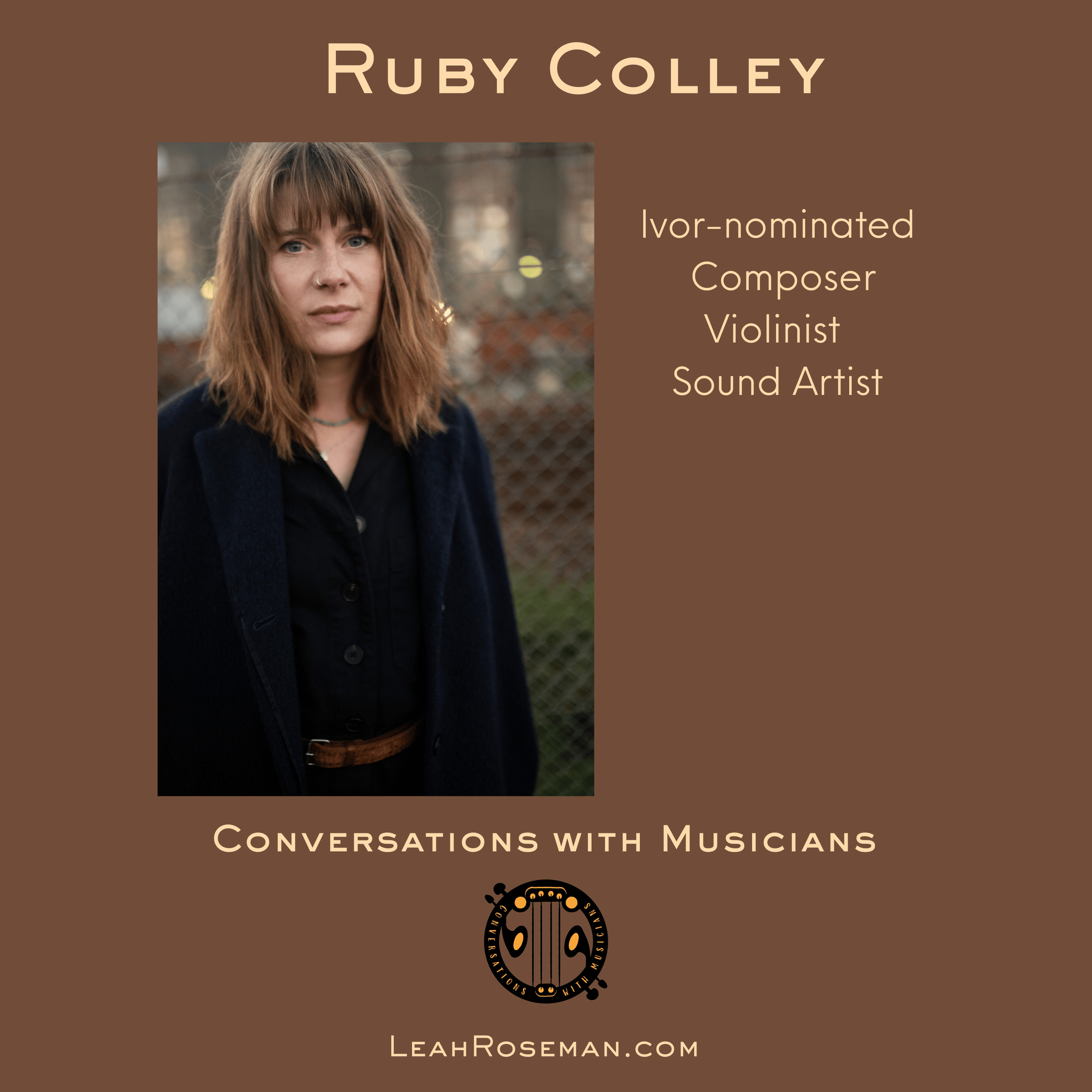
Ruby Colley
I’m so happy to bring you this episode with the British Ivor-nominated composer, violinist and sound artist Ruby Colley. She grew up with her artist parents and her brother Paul who is neuro-divergent and non-speaking. This conversation shines a light on her beautiful album Hello Halo with the brilliant Exaudi vocal ensemble. She composed this alongside her brother, transcribing Paul’s sounds and using recordings of his voice to make a vocal map of his life & relationships. You’ll be hearing music from this work as well as her project Overheard. Ruby spoke to me about the influence of Breton folk music and J.S. Bach and how she uses field recordings. You’ll also hear about how she has collaborated in some of her audiovisual projects with her mother the artist Kate Adams who founded Project Art Works, a visual arts organization that collaborates with neurodiverse individuals and those with cognitive impairment and high support needs. We talked about navigating music education, stepping away from competitive environments, the joy of improvisation and Ruby’s upcoming project inspired by the beauty of swifts.
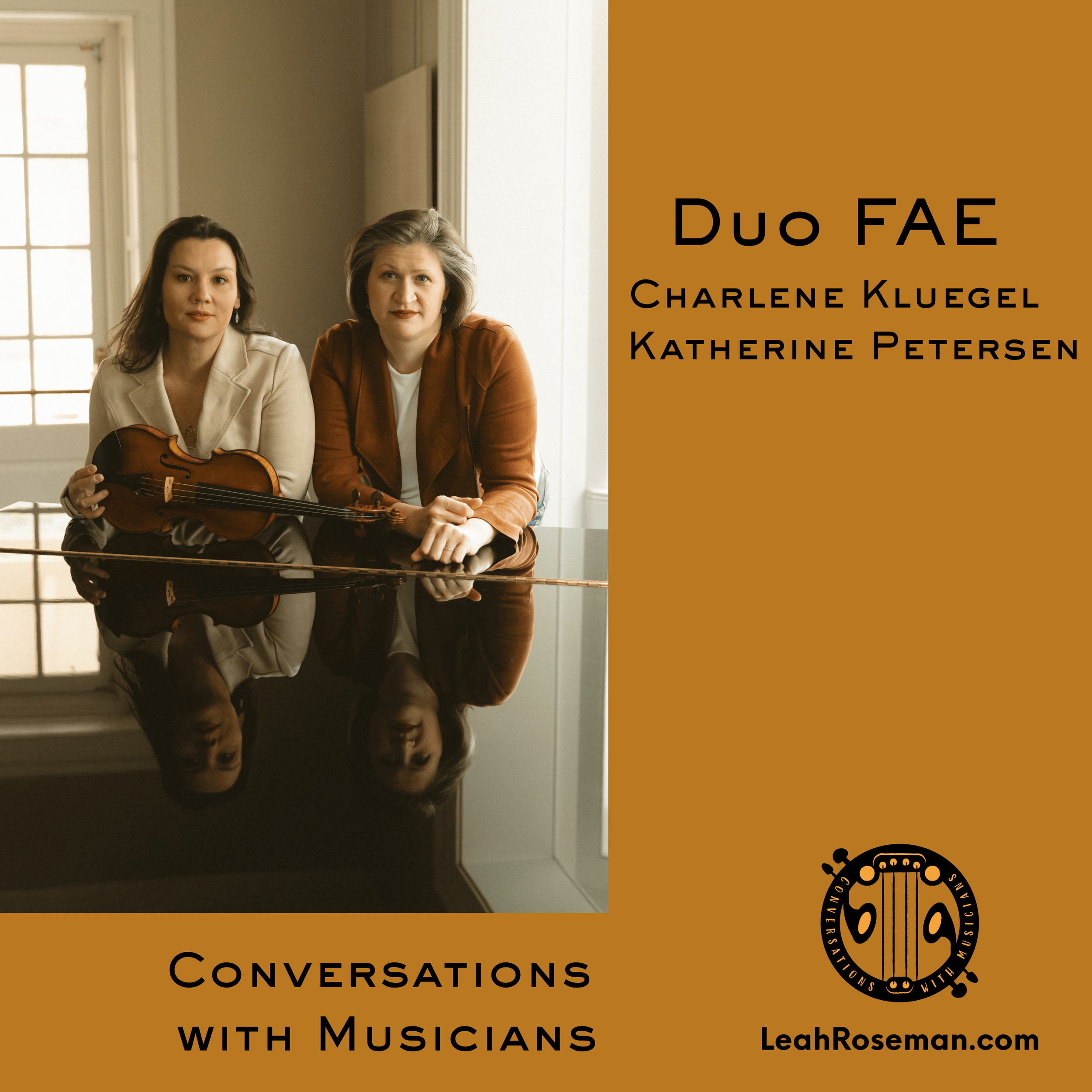
Duo FAE: Charlene Kluegel and Katherine Petersen
Duo FAE violinist Charlene Kluegel and pianist Katherine Petersen join me with a focus on their album Dissidents of the Gilded Age with music of Dame Ethel Smyth, Cécile Chaminade and Amy Beach. We got into conversations around education, what a path to a career in classical music can look like, and how they have dealt with challenges including becoming mothers. Podcast, Video and Transcript. Conversations with Musicians with Leah Roseman.
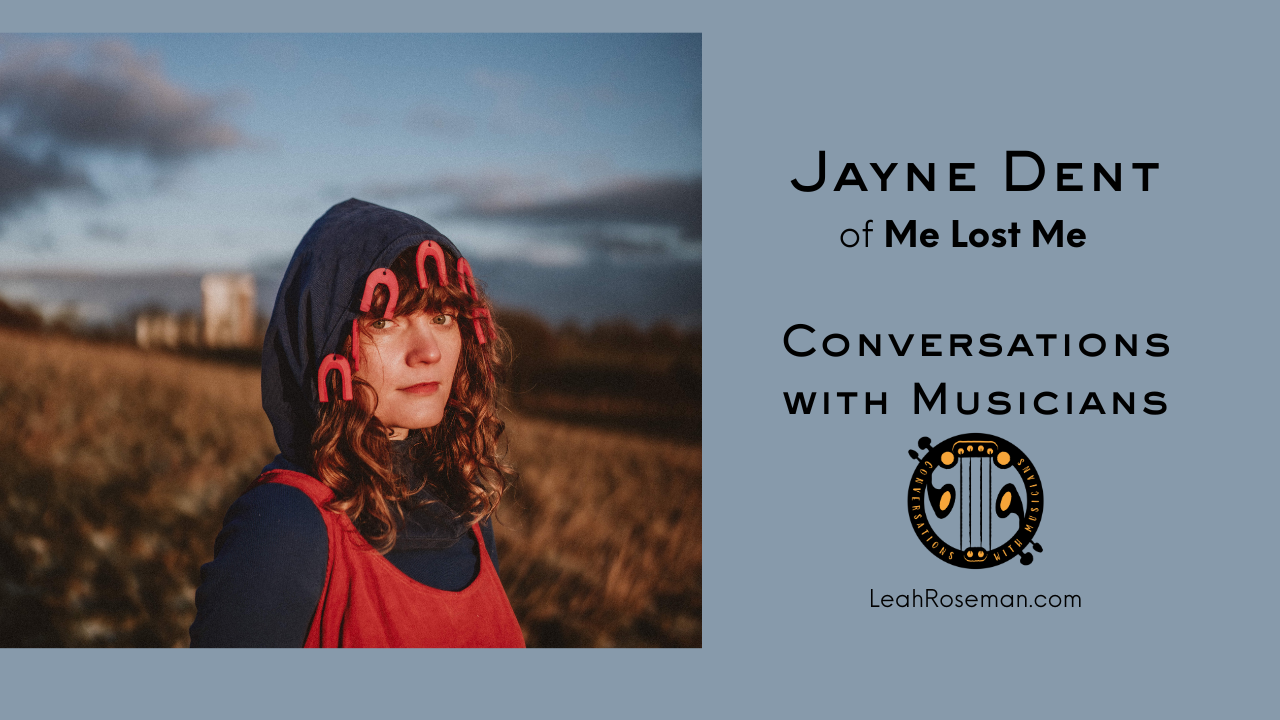
Jayne Dent
Jayne Dent is a British interdisciplinary artist, singer and composer and I was absolutely delighted to explore ideas around a creative and playful life with her. You’ll be hearing clips of music from Me Lost Me, with inspirations from folk culture old and new. She opened my mind to what folk creativity and community can mean in the 21st century.You’ll also hear about community music making, collaborations with dancers, experimentation with e-textiles, and the challenges and joys of her career path. I was really struck by her creative and curious spirit and you’ll be hearing about some of her chance-based writing tips andher varied interests from creating costumes to medieval sword fighting.

PJ Adzima
In this podcast, PJ Adzima (The Book of Mormon) shares his journey from farm life to Broadway and CEO of Stage Time. He reflects on a pivotal moment: "He saw a kid with hunger and talent... and it changed my life." Listen to how PJ is creating opportunities, and how drag, comedy and his energetic drive have fueled his success. Podcast, Video and Transcript.
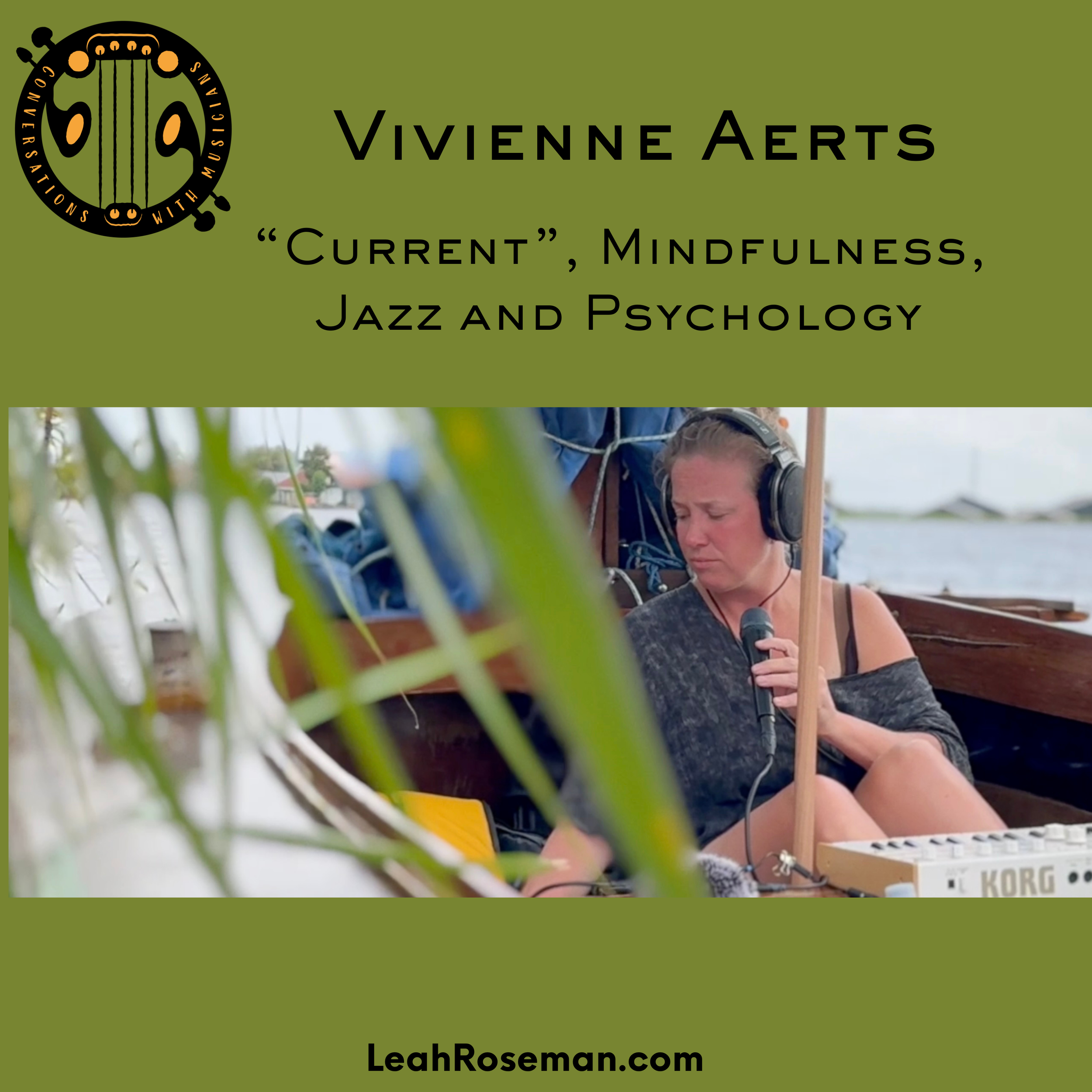
Vivienne Aerts
NYC-based Dutch singer, educator, and psychologist Vivienne Aerts joins Leah Roseman in this inspiring podcast. Discover her upcoming album "Current," recorded on a 1951 sailboat blending jazz, electronics, and vocal loops. Learn about her interdisciplinary approach, mindfulness, her teaching at Berklee, and the project "Typuhthâng" Watch on YouTube, listen to the podcast, or read the transcript.
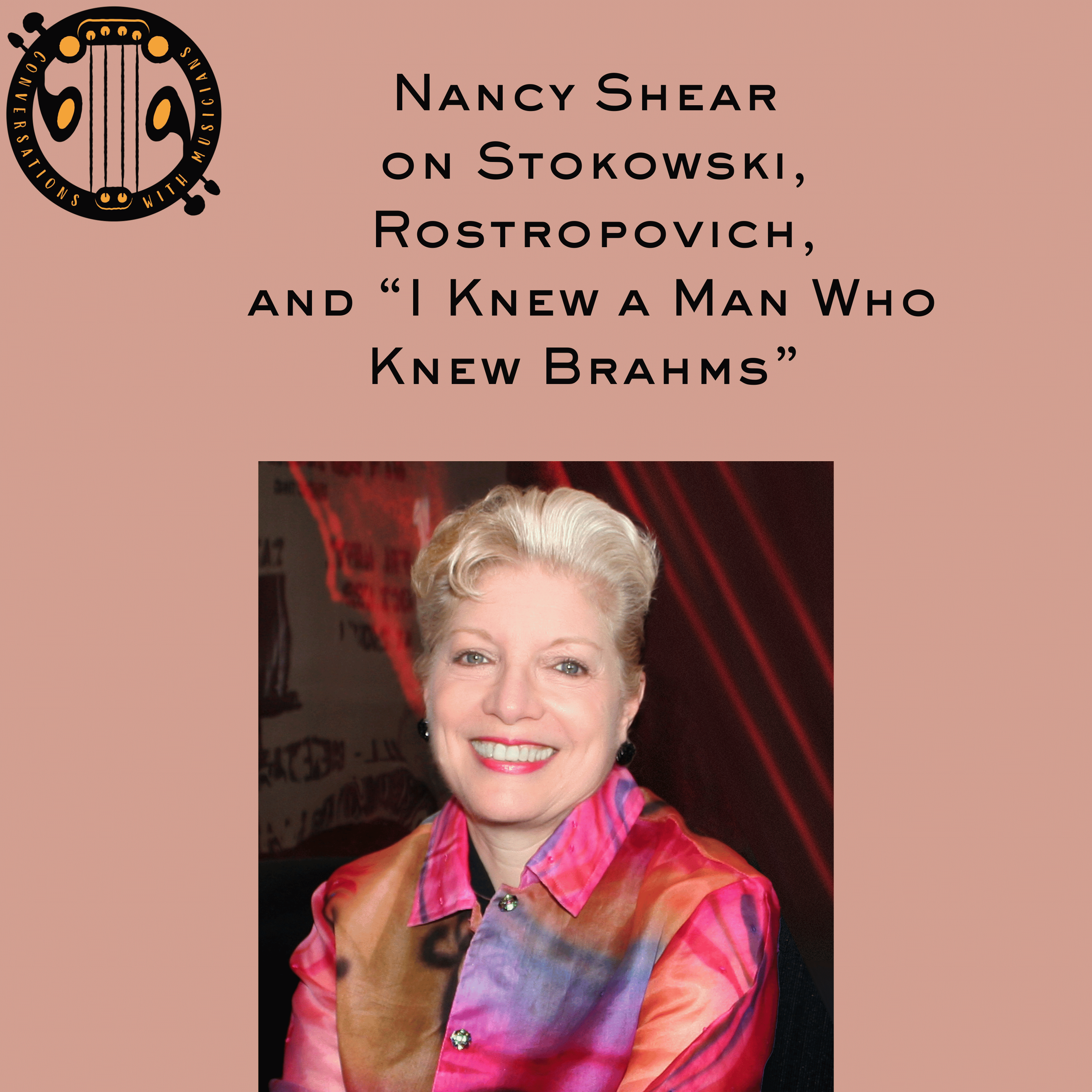
Nancy Shear
I was so honoured and delighted to have this opportunity to have this conversation with Nancy Shear, whose diverse career in classical music will fascinate you. I loved reading her memoir “I knew a man who knew Brahms” which is very much a book about appreciation for great music making as well as the importance of reflecting on the legacies our elders. You’ll hear about insights gleaned from her close releationships with many luminaries including Leopold Stokowski and Mstislav Rostropovich. Nancy was a troubled teenager when she began working as part of the Philadelphia orchestra library staff, and her brave determination, sensitivity and brilliance have led her to many unexpected opportunities. Whether or not you are currently a fan of classical music, I’m sure Nancy’s wisdom and storytelling will inspire you.
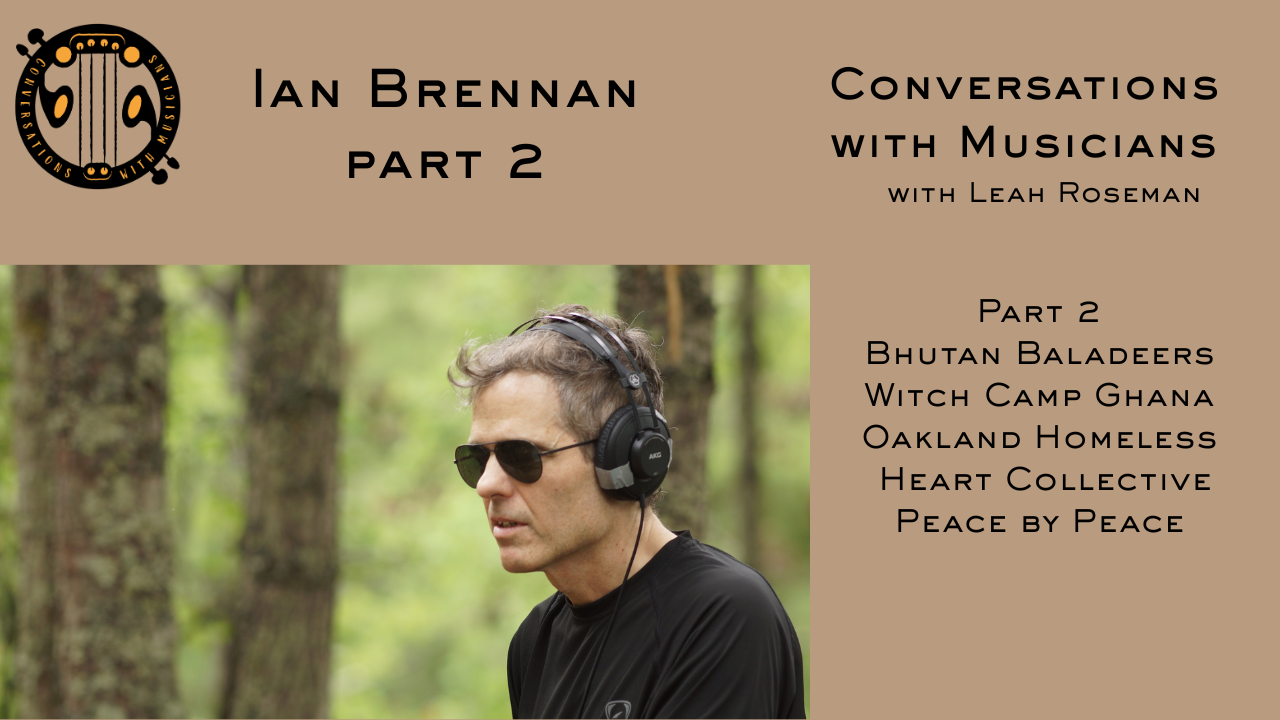
Ian Brennan Part 2: Recording Music in Remote Communities | Ghana, Bhutan & Oakland Stories
This is my second conversation with Grammy-winning producer Ian Brennan, whose work continues to make a meaningful impact around the world. If you missed Part 1 of our interview, be sure to check the link in the show notes.
In this episode, we explore Ian Brennan’s remarkable approach to recording music in some of the most remote and overlooked places on Earth. You’ll hear stories from his travels to Ghana, where he recorded in witch camps, as well as projects in Bhutan and within unhoused communities in Oakland, California—near where he grew up.
This ongoing series highlights more than 50 albums Ian Brennan has produced, many of which have helped local musicians gain international recognition and perform outside their home countries for the first time.
In addition to his work in music production, Ian Brennan is also an accomplished author and a respected expert in nonviolent crisis resolution. In this conversation, we also discuss his book Peace by Peace and the philosophy behind his work.
The excerpts the albums featured in this episode are linked in the show notes.

Max ZT
Max ZT of House of Waters shares insights on improvisation, global music, and creativity in this in-depth interview. He discusses his new album with Manu Delago, his journey studying in Senegal and India, and his approach to the hammered dulcimer. Featuring behind-the-scenes stories, collaborations, and mindfulness practices that shape his unique musical voice.

Jeff Albert and Guthman Musical Instrument Competition
Trombonist Jeff Albert joins me for a two-part conversation. The beginning of this episode explores the unique Guthman Musical Instrument Competition at Georgia Tech which celebrates musical inventors from around the world. You’ll be hearing some of these instruments from this year’s competition and you’ll find that information linked in the show notes. The second half of this episode is about Jeff’s life as a trombonist, improvisor, music technologist and professor. You’ll hear about his many years playing and recording in New Orleans across many styles and how digital media pairs with his interest in experimental music. All the music excerpts you’ll hear are linked in the show notes for you, from several of Jeff’s albums. Whether you play in a laptop orchestra or have only the vaguest idea what that means, you’ll enjoy Jeff’s great stories and insights.
I’ve been following the Guthman competition for a couple of years and I’ve also linked several previous episodes for you with musical instrument inventors in the show notes, as well as some of the other trombone players I’ve featured.
You can watch the video on my YouTube or listen to the podcast, and I’ve also linked the transcript.It’s
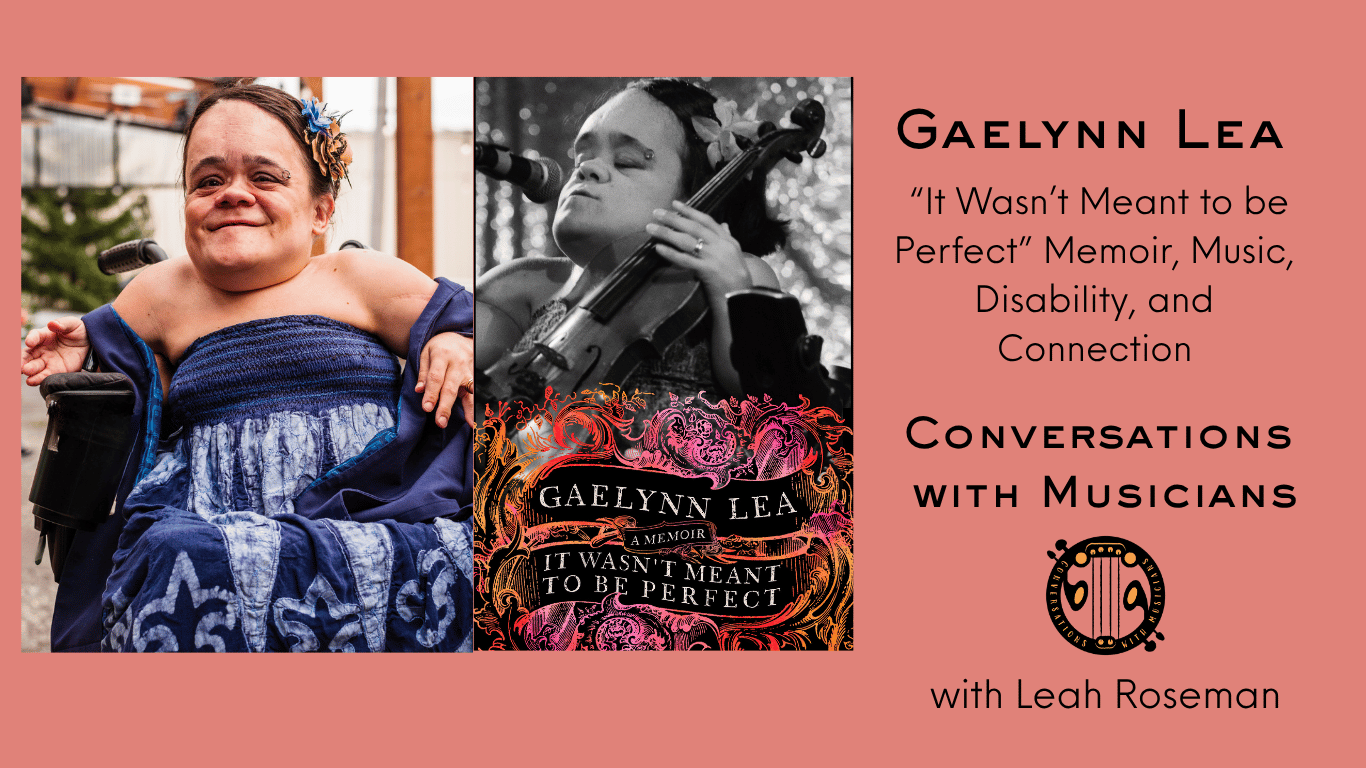
Gaelynn Lea “It Wasn’t Meant to be Perfect” Memoir, Music, Disability, and Connection
Musician and disability rights advocate Gaelynn Lea returns to discuss her memoir It Wasn’t Meant to Be Perfect, inclusive music-making, and the power of connection, community, and disability advocacy.
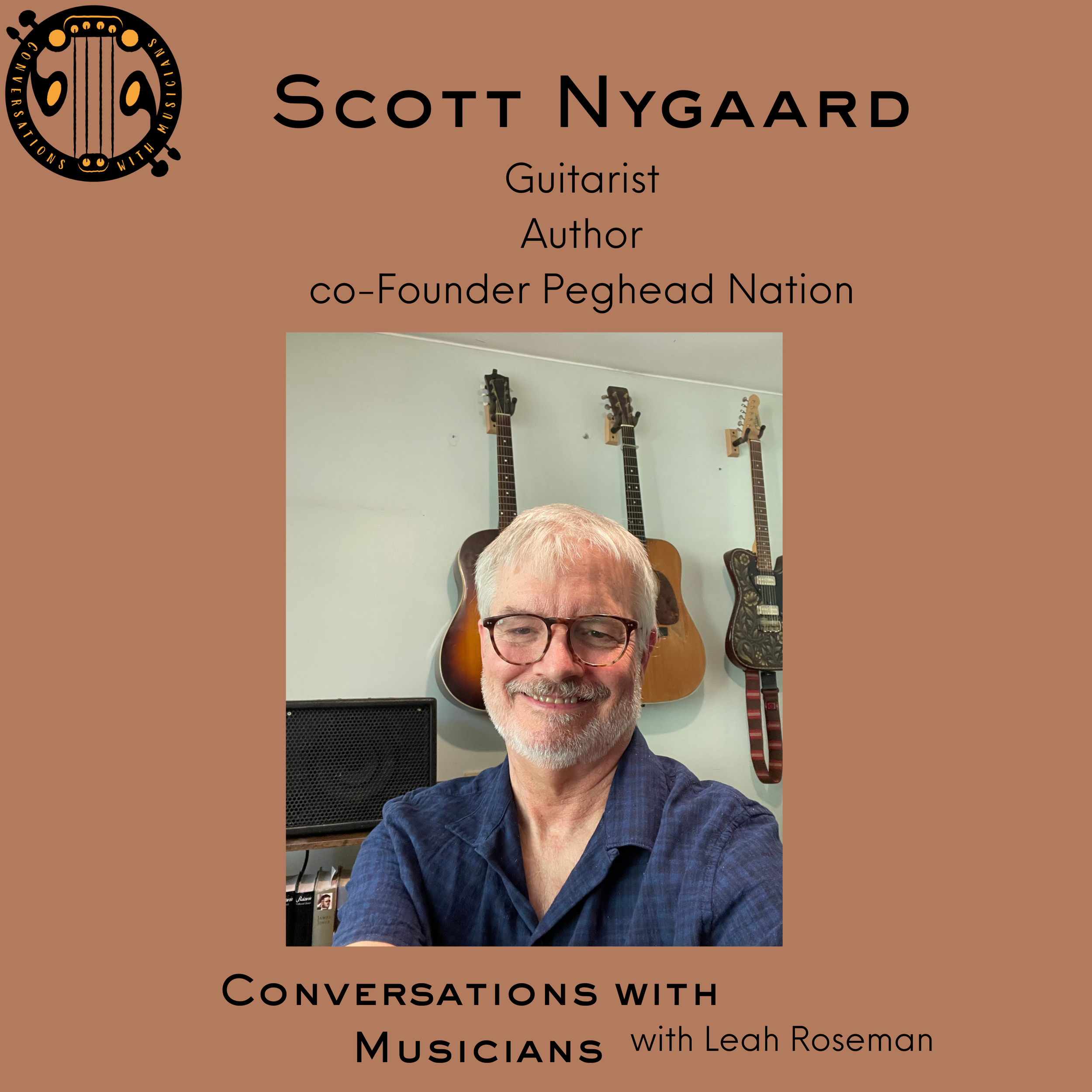
Scott Nygaard
You may know Scott Nygaard from his career as a guitarist in the bluegrass and acoustic scene for more than 30 years, his work as former editor and writer with Acoustic Guitar Magazine, or as one of the co-founders of Peghead Nation. You may not know his novel Evergreen, based on his transformative first year at Evergreen College in 1973. I love a coming of age story, and this is very much a tale musical growth and about the loss of innocence during a time of societal changes . We also explore Scott’s most recent album, Flown South which was recorded after a serious accident, when Scott had to relearn to play guitar.
You’ll also be hearing music from his wonderful album Rosco with the Swedish guitarist Roger Tollroth, best known as a founding member of Väsen. Another collaboration you’ll be hearing about is Crow Molly, which features mandolinist Joe K. Walsh (a previous guest of this podcast). Scott shared his experiences recording with Chris Thile, touring with Joan Baez, and his move to Chile. I really enjoyed this opportunity to hear Scott’s wise observations on what really matters in a creative and connected life well-lived.
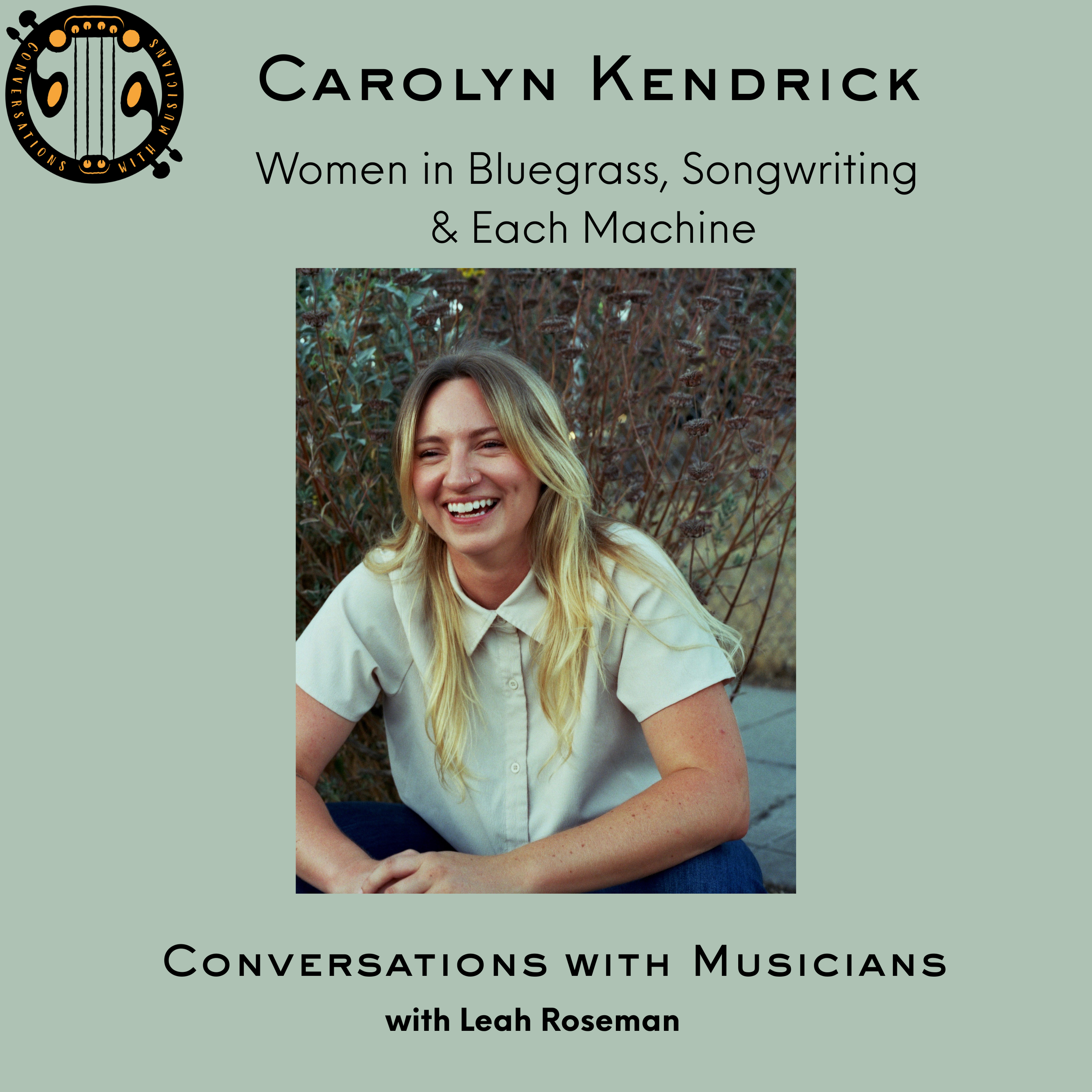
Carolyn Kendrick
Carolyn Kendrick is a fiddler, songwriter, and producer based in California. I’m really looking forward to her upcoming podcast with Tristan Scroggins “Don’t Call Me Darlin’,” based on an archive of Women in Bluegrass newsletters. You’ll also be fascinated to learn about Carolyn’s project “Each Machine” and you’ll be hearing some of that music and about her research into the Satanic Panic. She also started a really cool initiative with her friend Isa Burke, the Gender Equity Audio Workshop. You’ll hear Carolyn’s tips on songwriting, how she remembers songs, and how she’s built balanced life in music.
You can watch the video on my YouTube or listen to the podcast, and I’ve also linked the transcript.